
The Hidden Moisture Problem: Why Buildings Develop Condensation and Mould
From damp walls and peeling paint to hidden condensation, understanding how moisture moves through buildings can prevent problems that begin long before they become visible. A newly finished apartment develops dark patches along an external wall. In an office, paint begins peeling near an air-conditioned room. A hospital corridor has
Know More
The Architecture of Getting Lost: Why Wayfinding Matters in Buildings
How spatial planning, visual cues and thoughtful architectural design help people find their way through unfamiliar buildings. Imagine arriving at a hospital for an appointment. You enter through the main entrance, look for the reception desk and find yourself facing three corridors. You follow a sign, turn a corner and
Know More
Designing for the Ear: The Overlooked Science of Building Acoustics
From classrooms and hospitals to offices and homes, the way a building handles sound can shape how people learn, work, rest and communicate. A building can look beautiful, have excellent lighting and use premium materials, yet still be an uncomfortable place to spend time. Sometimes, the problem is something we
Know More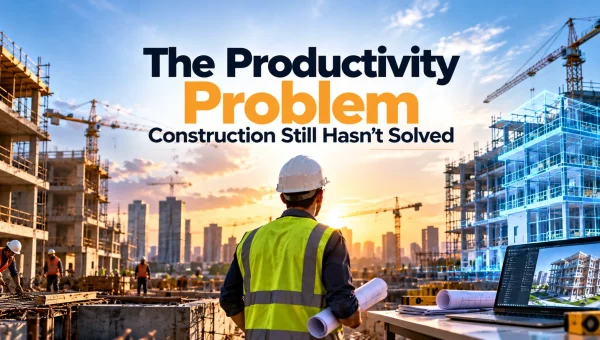
The Productivity Problem Construction Still Hasn’t Solved
Construction is one of the world's largest industries. It builds the homes people live in, the hospitals they depend on, the roads they travel on and the infrastructure that supports entire economies. Yet there is a problem hiding behind all that activity: construction has struggled to improve productivity at the
Know More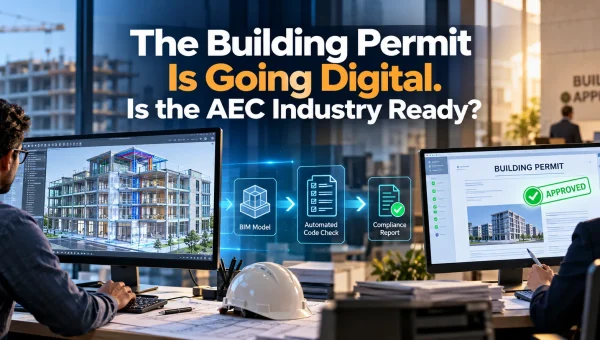
The Building Permit Is Going Digital. Is the AEC Industry Ready?
What happens when a BIM model becomes part of the approval process—not just the design process? For decades, getting a building approved has followed a familiar pattern. Drawings are prepared.Documents are collected.Applications are submitted.Officials review them.Comments come back.The design team makes corrections.The process repeats. The building may already exist as
Know More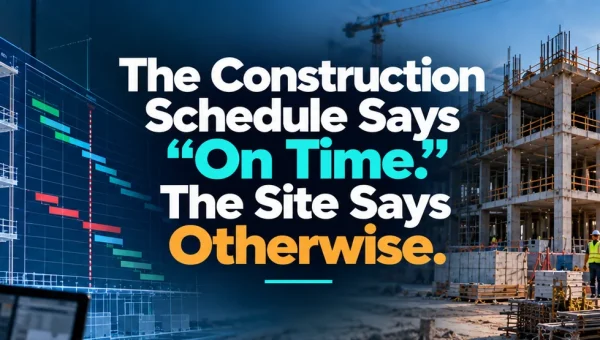
The Construction Schedule Says “On Time.” The Site Says Otherwise.
What happens when the project plan and construction reality start telling different stories? The schedule says the work should be on track. The BIM model shows the planned sequence. The progress report looks fine. Then someone walks onto the site and says: “We’re not actually there yet.” It sounds like
Know More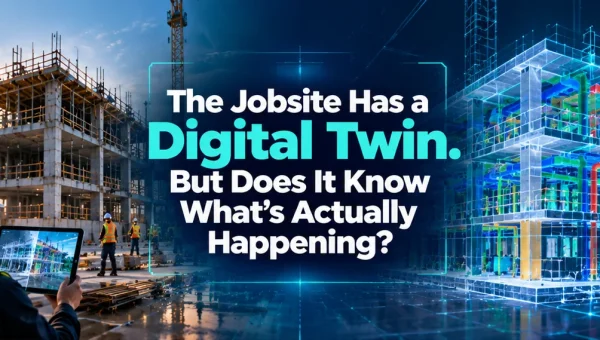
The Jobsite Has a Digital Twin. But Does It Know What’s Actually Happening?
When BIM moves from representing the project to understanding its progress. A BIM model can show you what a building is supposed to look like. But construction sites rarely follow the model perfectly. Work gets delayed. Designs change. Elements are installed differently. Some areas move ahead while others fall behind.
Know More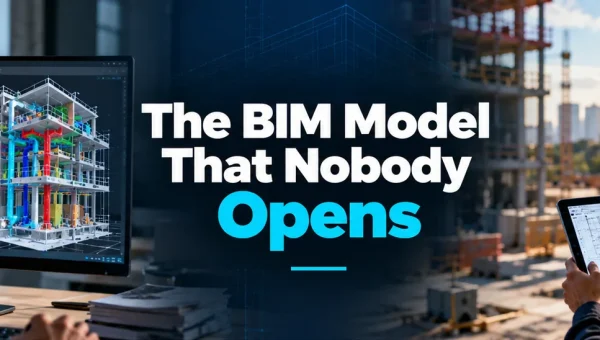
The BIM Model That Nobody Opens
What happens when a perfectly good BIM model isn't actually useful to the people who need it? The model is complete. The geometry looks right. The clashes have been checked. The sheets have been issued. The BIM team is satisfied. Then someone on site asks: “Where do I find the
Know More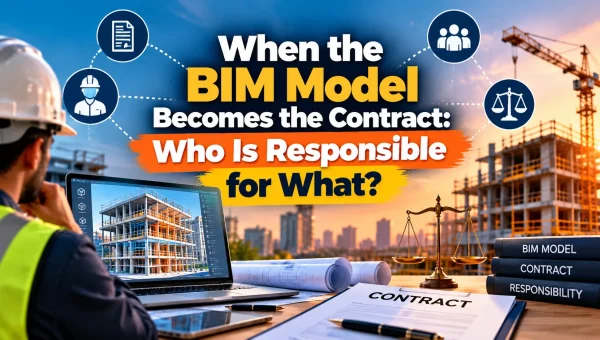
When the BIM Model Becomes the Contract: Who Is Responsible for What?
What changes when a BIM model is no longer just a reference, but becomes part of the contractual project information? For years, BIM models have often existed alongside drawings. The model helps teams design and coordinate. The drawings communicate what needs to be built. The contract defines what everyone is
Know More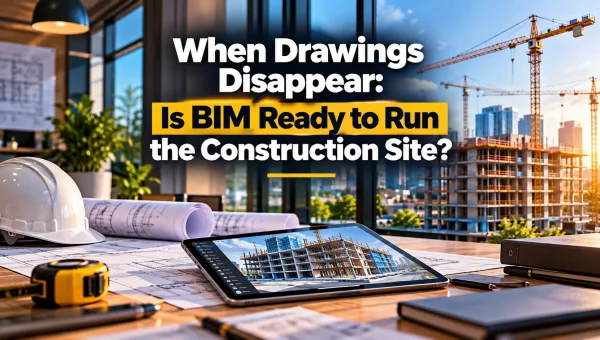
When Drawings Disappear: Is BIM Ready to Run the Construction Site?
Bottom line Is the BIM model ready to become part of the construction process itself? What happens when the BIM model stops being a design reference and becomes the information source people actually build from? For most construction projects, the final journey still looks familiar: Model Drawings Site Construction BIM
Know More
Your BIM Model Is Valuable. But Is It Secure?
Why cybersecurity is becoming part of BIM—not just an IT concern A BIM model can take hundreds of hours to build. It contains more than walls, doors, ducts and structural elements. Depending on the project, it can also contain equipment data, specifications, asset information, linked models and other project information.
Know More
When AI Gets the BIM Model Wrong, Who Is Responsible?
AI can generate, check, and coordinate BIM information—but who takes responsibility when the result is wrong? Artificial intelligence is moving quickly into the AEC industry. It can already help professionals automate repetitive tasks, analyse information, generate design options, identify potential issues and support BIM workflows. As AI becomes more capable,
Know More