Author: Devika R
May 29, 2026
10 min read

From 2D Drawings to Smart Construction Ecosystems
When people discuss BIM adoption globally, countries like the US, UK, or Singapore are usually mentioned first.
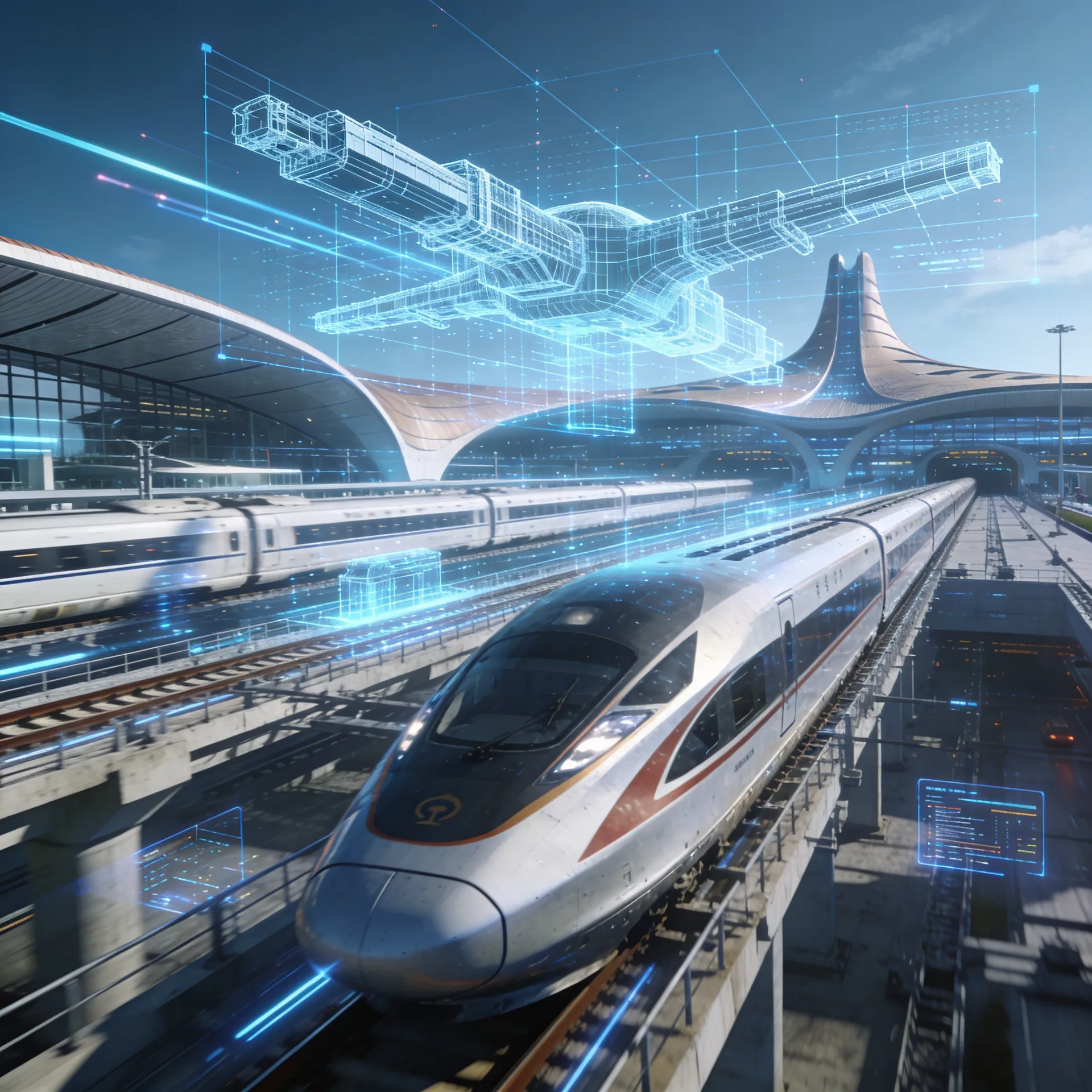
But one country quietly pushed BIM far beyond modeling and coordination:
China.
Today, China uses BIM not just for design visualization—but as part of an entire digital construction ecosystem.
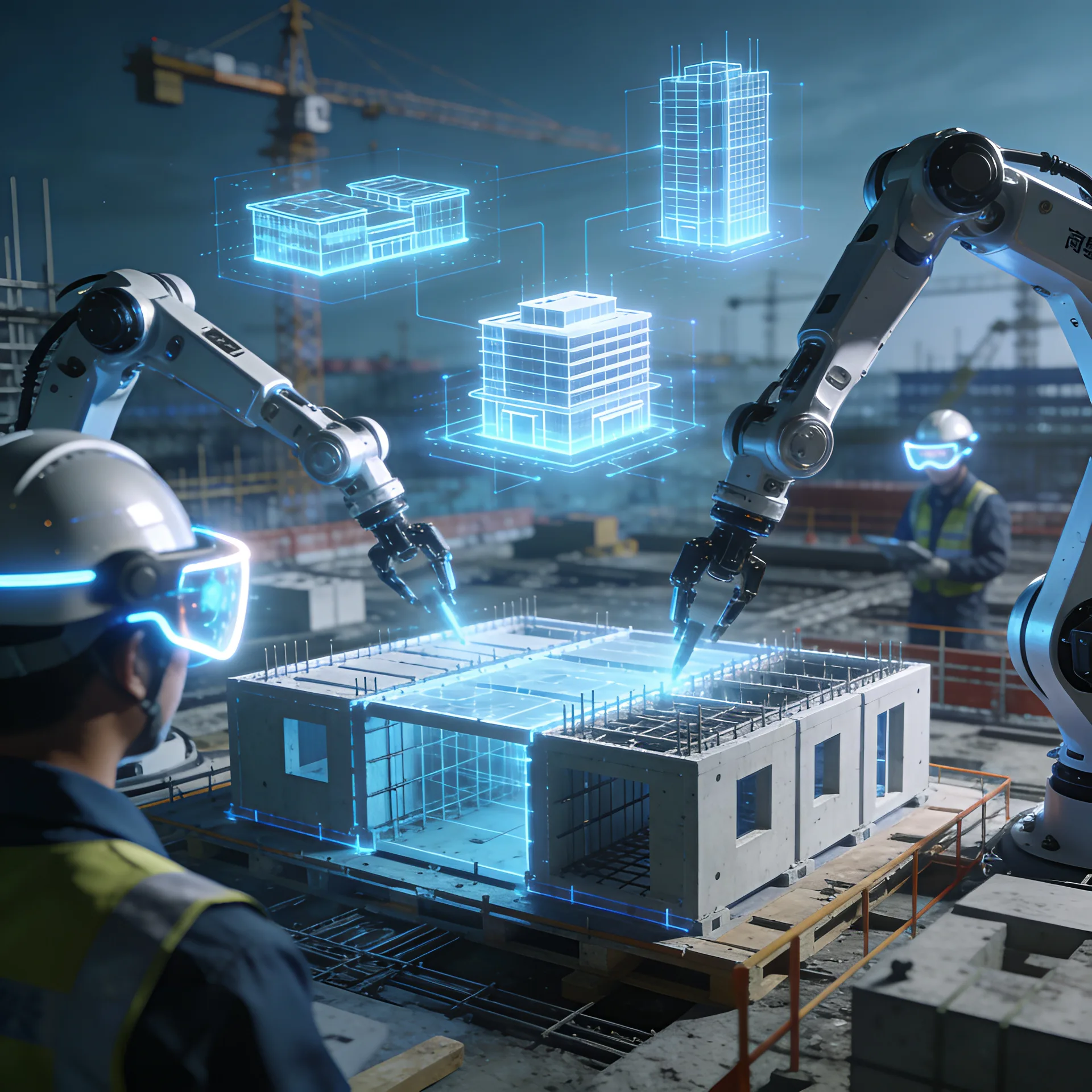
BIM in China is now connected with:
- prefabrication
- smart cities
- AI-driven construction
- digital twins
- high-speed infrastructure delivery
- cloud-based project management
And this is one reason China has managed to deliver:
- mega airports
- high-speed rail networks
- supertall towers
- industrial cities
- emergency hospitals
at extraordinary speed.
Why China Started Investing Heavily in BIM
Over the last two decades, China’s construction industry expanded at an enormous scale.
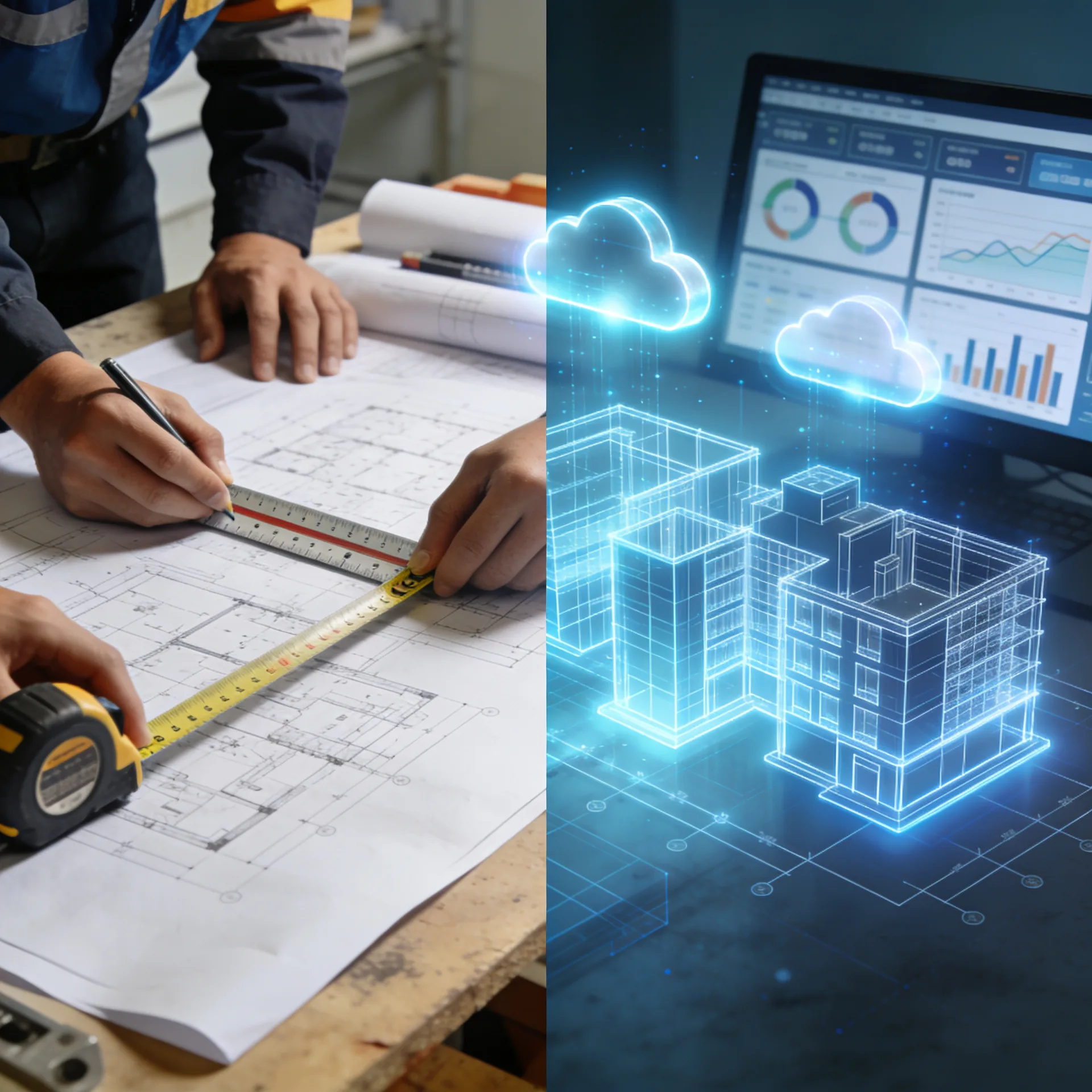
But rapid growth also created major problems:
- coordination issues
- design clashes
- material wastage
- construction delays
- inefficient workflows
Traditional 2D CAD systems were no longer practical for projects of that complexity.
China gradually realized that future construction required:
This is where BIM became important.
China Didn’t Treat BIM as Just Software
One of the biggest differences in China’s BIM journey is mindset.

Many companies globally still treat BIM as:
But China approached BIM more strategically.
The focus shifted toward:
- construction intelligence
- digital infrastructure
- lifecycle coordination
- industrialized construction systems
This changed how BIM was implemented across projects.
Instead of isolated modeling workflows, BIM became connected with:
- factories
- scheduling systems
- construction tracking
- prefabrication
- facility management
And that dramatically improved execution efficiency.
Did China Make BIM Mandatory?
Not overnight.
China introduced BIM gradually through:
- national development plans
- pilot projects
- public infrastructure policies
- regional regulations
Around 2011, BIM was officially recognized as a strategic technology for future construction development.
Today, BIM is widely used across:
- airports
- rail infrastructure
- metro systems
- hospitals
- government projects
- commercial developments
In many large projects, BIM has effectively become unavoidable.
Is China Still Using Autodesk Software?
Yes—very heavily.
Despite developing domestic BIM platforms, Chinese firms still rely extensively on:
- Autodesk Revit
- Navisworks Manage
- AutoCAD
- Autodesk Construction Cloud
- Civil 3D
Typical workflows often look similar to projects in:
- UAE
- Singapore
- USA
- India
A common workflow includes:
| Workflow Stage | Common Tools |
|---|---|
| Architectural BIM | Revit, ArchiCAD |
| Structural BIM | Tekla, Revit Structure |
| MEP Coordination | Revit MEP |
| Clash Detection | Navisworks, Solibri |
| Construction Planning | 4D BIM, 5D BIM |
This integration between modeling, coordination, scheduling, and construction is one reason Chinese projects move so efficiently.
China Also Built Its Own BIM Platforms
At the same time, China invested heavily in domestic BIM technologies.
This led to platforms like:
- PKPM BIM
- Glodon BIM
- Luban BIM
These systems became widely used within China’s local construction ecosystem.
But Autodesk tools remain highly dominant—especially in international and mega commercial projects.
How China Uses BIM Differently
This is where China’s BIM implementation becomes truly interesting.
In many projects, BIM is integrated directly with:
- prefabrication systems
- robotics
- IoT sensors
- AI monitoring
- digital twin platforms
- logistics management
Which means BIM is no longer just helping teams “draw.”
It’s helping manage entire construction ecosystems.
Major Chinese Projects That Used BIM
Shanghai Tower
One of the world’s tallest buildings used BIM extensively for:
- façade optimization
- multidisciplinary coordination
- clash detection
- sequencing workflows
- sustainability analysis
At 632 meters tall, the coordination complexity was enormous. BIM became critical for managing architecture, structure, HVAC, plumbing, and electrical systems together.
Beijing Daxing International Airport
This massive airport project relied heavily on BIM workflows for:
- MEP coordination
- structural complexity management
- passenger circulation planning
- construction logistics
- maintenance systems
The project became globally recognized for combining architecture with advanced digital construction methods.
Hong Kong–Zhuhai–Macao Bridge
This mega infrastructure system used BIM for:
- bridge coordination
- tunnel systems
- construction planning
- infrastructure management
The project connected Hong Kong, Zhuhai, and Macao through one of the largest sea-crossing systems ever built.
Wuhan Huoshenshan Hospital
During COVID-19, China rapidly constructed emergency hospitals using BIM-supported modular workflows.
BIM helped teams:
- coordinate prefabricated systems
- manage sequencing
- reduce installation conflicts
- accelerate project delivery
This project showed how BIM can support rapid-response infrastructure development.
What BIM Professionals Should Learn From China
China’s BIM journey highlights one major industry shift:
BIM is becoming an industrial workflow—not just a design workflow.
The future of BIM increasingly involves:
- AI
- automation
- cloud collaboration
- digital twins
- smart infrastructure
- data-driven construction
Professionals who only focus on isolated software learning may struggle as the industry evolves.
Because modern BIM environments now demand understanding of:
- coordination
- digital workflows
- information management
- construction systems
- lifecycle planning
BIM Cafe Perspective
At BIM Cafe Learning Hub, one trend is becoming increasingly visible:
The global BIM industry is moving toward integrated digital construction ecosystems.
Companies are no longer searching only for people who can model.
They increasingly value professionals who understand:
- workflow coordination
- BIM collaboration
- clash management
- project information systems
- digital construction processes
This is why practical BIM learning today needs to go beyond software commands and move closer to real industry workflows.
Final Thoughts
China’s BIM growth proves something important:
BIM is no longer optional for large-scale construction.
From skyscrapers and airports to hospitals and infrastructure systems, BIM has become central to how projects are planned, coordinated, and delivered efficiently.
China transformed BIM into:
- a coordination system
- a construction management workflow
- a manufacturing-linked process
- a digital infrastructure strategy
And that transformation is influencing the future of global construction itself.
Related Reads
- Is the Middle East Construction Boom Slowing Down in 2026? What BIM Professionals Should Actually Be Watching
- Middle East Tensions in 2026: Should Construction and BIM Professionals Be Worried?
- NEOM Mega Project: What the Scaling Back of Saudi Arabia’s Futuristic City Means for the BIM Industry
- BIM Course with Placement: Your Pathway to Build a Global Career in the UAE and Abroad
- NEOM: A Futuristic City Built on BIM
Frequently Asked Questions
Why is China considered advanced in BIM adoption?
China integrated BIM with prefabrication, digital twins, AI, and smart construction workflows across mega infrastructure projects.
Does China use Autodesk Revit?
Yes. Revit, Navisworks, AutoCAD, and Autodesk Construction Cloud are widely used across Chinese BIM projects.
What makes China’s BIM workflow different?
China uses BIM beyond modeling by integrating it with manufacturing, scheduling, robotics, and digital infrastructure systems.
Which major Chinese projects used BIM?
Projects like Shanghai Tower, Beijing Daxing Airport, Hong Kong–Zhuhai–Macao Bridge, and Wuhan emergency hospitals used advanced BIM workflows.
What can BIM professionals learn from China?
The biggest lesson is that BIM is evolving into a connected digital construction ecosystem rather than just a modeling process.
Professional BIM Course
Master BIM Course
Structural Design Concepts and BIM
Certified MEPF BIM Master Course
Electrical BIM Professional Program
RenderLab – Master 3D Modeling & Photorealistic Rendering
Multi-Tool Mastery for Architects & Engineers
BIM Coordinator Workflow Program
BIM FastTrack – 30 Day Intensive Training
Global Architectural & Structural BIM Project Program