Author: Devika R
May 24, 2026
9 min read
When most people first hear about BIM, they usually think of 3D modeling. But in real construction projects, BIM is much bigger than creating a model in Revit.
When most people first hear about BIM, they usually think of 3D modeling.
But in real construction projects, BIM is much bigger than creating a model in Revit.
A complete BIM workflow connects:
- design
- coordination
- analysis
- scheduling
- cost estimation
- documentation
- construction execution
into one structured digital process.
This is why BIM has become such an important part of modern construction projects across the UAE, Saudi Arabia, Qatar, the UK, and increasingly across India.
Instead of waiting for problems to appear on-site, BIM helps teams identify issues during the design stage itself.
That means:
- fewer clashes
- better coordination
- improved project quality
- reduced rework
- more efficient project delivery
And this is exactly why understanding the complete BIM workflow is important for both students and working professionals entering the AEC industry.
Understanding the BIM Workflow
A BIM workflow is essentially the digital journey of a project—from initial concept development all the way to construction and project execution.
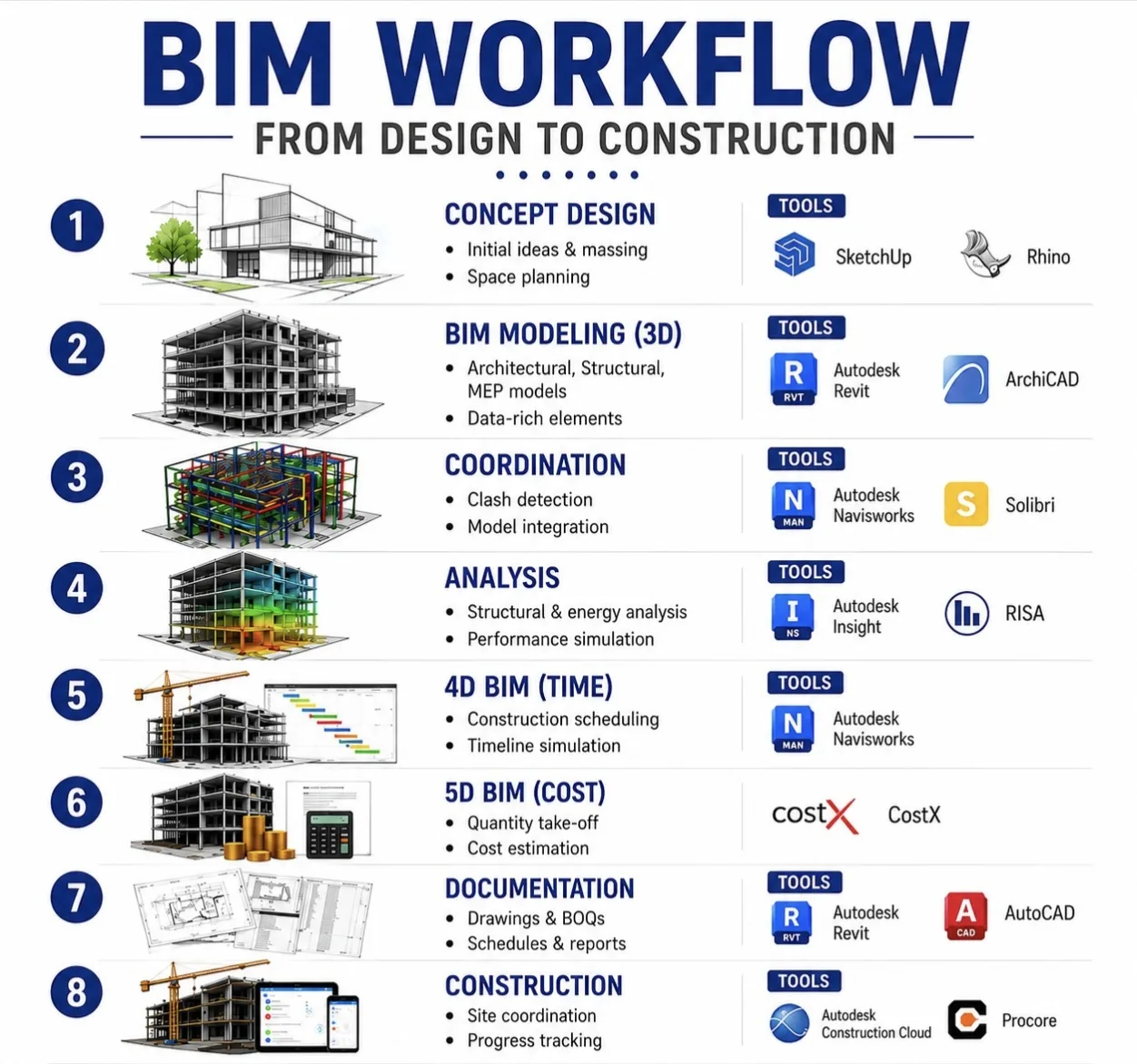
Each stage has a specific purpose, specific tools, and different teams involved.
The important thing to understand is:
BIM is not one software BIM is a connected workflow
And every stage affects the next.
Stage 1: Concept Design
Every project begins with an idea.
At this stage, architects and designers focus on:
- massing studies
- space planning
- conceptual visualization
- site understanding
- design options
The goal is to quickly explore possibilities before detailed modeling begins.
Tools commonly used here include:
- SketchUp
- Rhino
These tools help teams create early-stage concepts and visualize design intent more efficiently.
In large projects, this phase also helps clients understand the overall direction before moving into detailed BIM development.
Stage 2: BIM Modeling (3D)
Once the concept is finalized, the project moves into detailed BIM modeling.
This is where different disciplines begin creating intelligent digital models, including:
- Architectural models
- Structural models
- MEP models
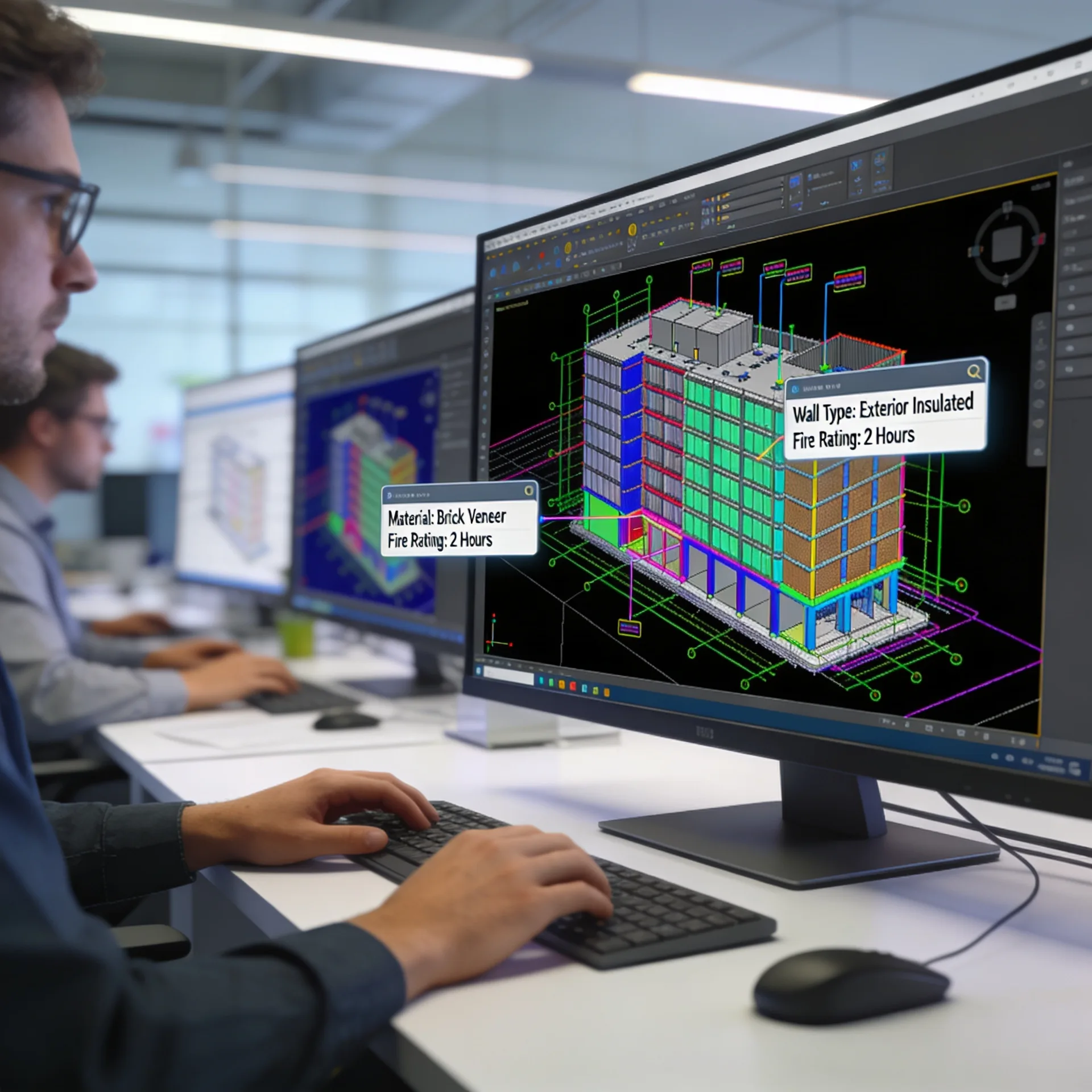
Unlike traditional CAD drawings, BIM elements contain information—not just geometry.
For example:
A wall in BIM can contain:
- material information
- dimensions
- fire rating
- quantity data
- construction specifications
This is what makes BIM “data-rich.”
Common tools used:
- Autodesk Revit
- ArchiCAD
This stage forms the foundation for all later workflows like coordination, quantity extraction, scheduling, and construction planning.
Stage 3: BIM Coordination
This is the stage where BIM becomes highly practical.
Different discipline models are combined into a federated coordination model to identify conflicts before construction begins.
This process includes:
- clash detection
- routing verification
- coordination meetings
- interdisciplinary collaboration
A common example:
HVAC duct colliding with a structural beam
Without BIM coordination, these issues often get discovered only during construction—leading to delays and costly rework.
Tools commonly used:
- Navisworks Manage
- Solibri
This is also one of the most important skills companies now look for in BIM professionals.
Stage 4: BIM Analysis
Modern BIM workflows are increasingly being used for performance analysis during design stages.
This can include:
- structural analysis
- energy performance
- daylight analysis
- sustainability evaluation
- building efficiency studies
Instead of analyzing performance after construction, BIM allows teams to make informed decisions early in the project lifecycle.
This supports:
- sustainable design
- energy-efficient buildings
- optimized project performance
As sustainability becomes more important globally, this stage continues growing rapidly in the BIM industry.
Stage 5: 4D BIM (Time)
One of the most misunderstood BIM concepts among beginners is 4D BIM.
4D BIM adds the element of time to the BIM model.
This helps teams visualize:
- construction sequencing
- project scheduling
- installation order
- timeline simulation
Instead of reading complex Gantt charts separately, project teams can visually understand how construction progresses over time.
This improves:
- planning accuracy
- project coordination
- site management efficiency
Large infrastructure and commercial projects increasingly rely on 4D workflows for construction planning.
Stage 6: 5D BIM (Cost)
5D BIM integrates cost information into BIM workflows.
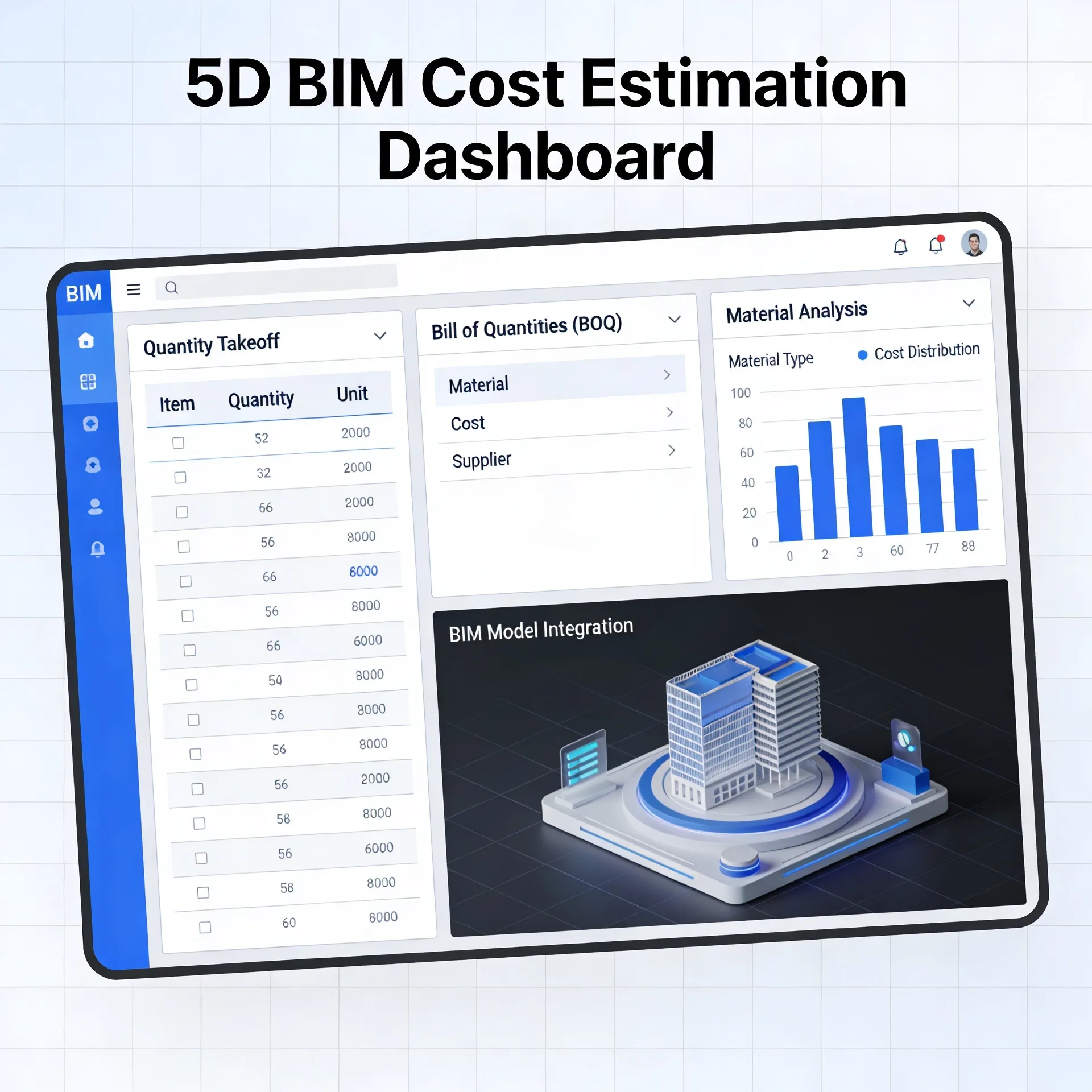
This includes:
- quantity takeoff
- BOQ generation
- cost estimation
- material quantity analysis
- budget monitoring
Because BIM models already contain detailed information, quantities can be extracted more accurately compared to manual estimation methods.
This helps improve:
- project budgeting
- cost control
- procurement planning
5D BIM is becoming increasingly valuable in large-scale projects where budget management is critical.
Stage 7: Documentation
Even with advanced BIM workflows, construction projects still require clear documentation.
This stage includes generating:
- working drawings
- shop drawings
- schedules
- BOQs
- reports
- detailing sheets
The advantage of BIM-based documentation is consistency.
Since drawings are generated directly from coordinated models, updates become easier to manage across the project.
Common tools used:
- Revit
- AutoCAD
This stage remains critical because construction teams ultimately rely on accurate documentation during execution.
Stage 8: Construction & Field Coordination
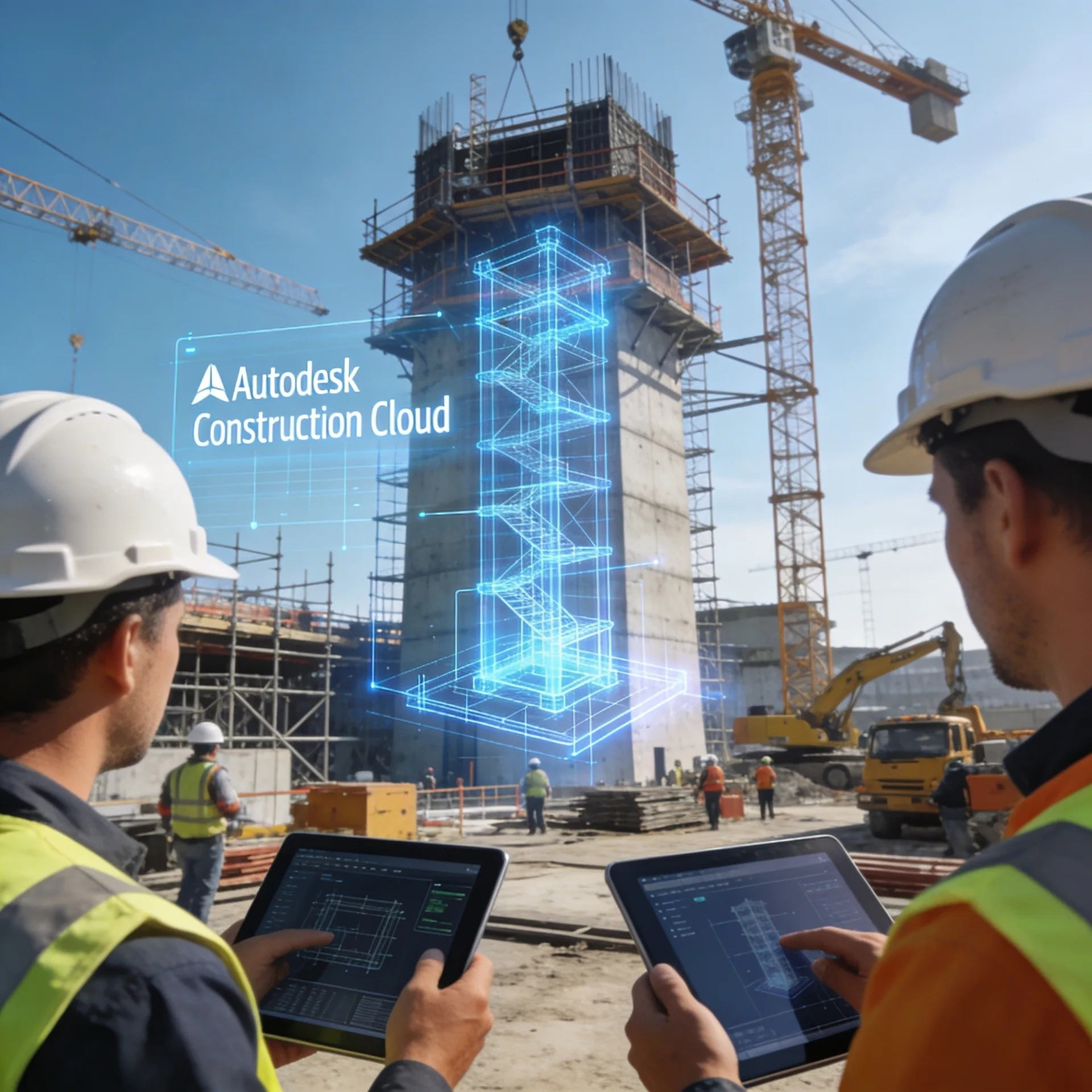
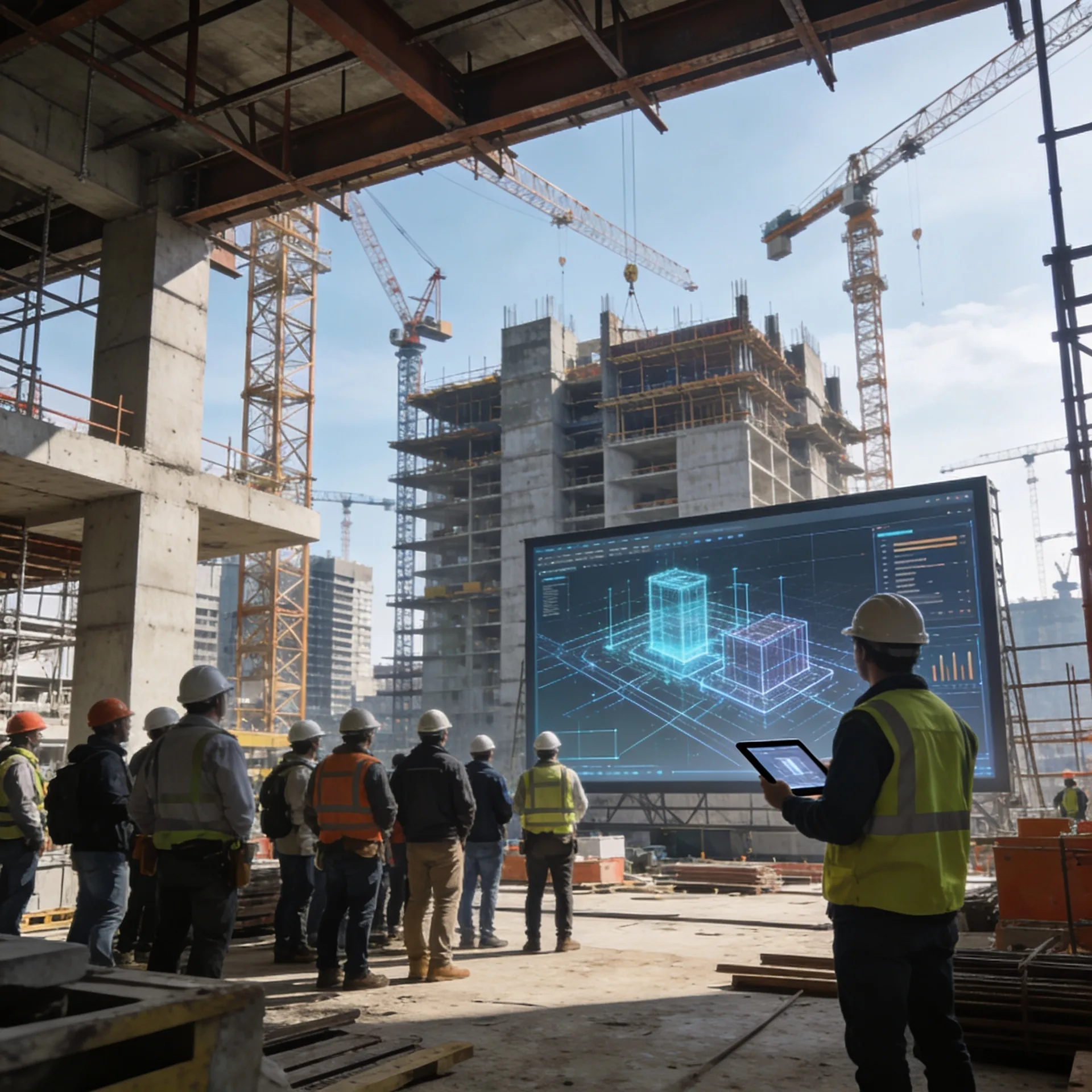
The final stage connects BIM directly with on-site execution.
Modern construction teams increasingly use BIM for:
- site coordination
- progress tracking
- issue management
- cloud collaboration
- field communication
Platforms like:
- Autodesk Construction Cloud (ACC)
- Procore
help teams access project information directly from site environments.
This improves communication between:
- design teams
- contractors
- consultants
- project managers
And this is one of the reasons cloud-based BIM workflows continue growing globally.
Why BIM Workflow Understanding Matters
Many students learn software individually without understanding how all these stages connect together.
But real projects depend on workflow continuity.
A BIM professional today is increasingly expected to understand:
- coordination logic
- project sequencing
- model-based collaboration
- interdisciplinary workflows
- information management
This is why workflow understanding has become just as important as software knowledge.
BIM Careers Are Growing Rapidly
As BIM adoption expands across India and the Middle East, companies are actively searching for professionals who understand real BIM workflows.
This is especially true in sectors like:
- commercial construction
- infrastructure
- healthcare projects
- airports
- metro systems
- industrial facilities
The demand is growing for professionals skilled in:
- Revit
- BIM Coordination
- Navisworks
- MEP BIM
- BIM Execution workflows
- Cloud collaboration systems
Final Thoughts
The BIM workflow is not a single activity—it is a connected digital process that supports projects from concept design all the way to construction.
Each stage plays a different role:
- design development
- coordination
- analysis
- scheduling
- costing
- documentation
- execution
And understanding how these stages connect is what separates software users from real BIM professionals.
As the construction industry becomes more digital, professionals who understand complete BIM workflows will continue to stay highly valuable across the global AEC industry.
Related Reads
- Why BIM Fails in Large Projects: It’s Not the Software, It’s the Workflow
- AI and BIM: Will Artificial Intelligence Replace BIM Engineers?
- What Do MEP Engineers Actually Do in BIM Projects? (Real Roles, Skills & Career Growth Explained)
- MEP Coordination in BIM Explained
- How Navisworks Clash Detection Works in Real Projects
Frequently Asked Questions
What is BIM workflow?
BIM workflow refers to the complete digital process used in construction projects, from concept design and modeling to coordination, scheduling, costing, and construction execution.
What is the difference between 3D BIM, 4D BIM, and 5D BIM?
3D BIM focuses on modeling, 4D BIM adds construction scheduling (time), and 5D BIM adds cost estimation and quantity analysis.
Which software is used in BIM workflows?
Common BIM tools include Revit, Navisworks, ArchiCAD, SketchUp, Rhino, Autodesk Construction Cloud (ACC), and Solibri.
Why is BIM coordination important?
BIM coordination helps identify clashes and construction issues before execution begins, reducing delays and rework.
Is BIM a good career option in 2026?
Yes. BIM demand continues to grow globally due to increasing digital transformation in construction projects.
Professional BIM Course
Master BIM Course
Structural Design Concepts and BIM
Certified MEPF BIM Master Course
Electrical BIM Professional Program
RenderLab – Master 3D Modeling & Photorealistic Rendering
Multi-Tool Mastery for Architects & Engineers
BIM Coordinator Workflow Program
BIM FastTrack – 30 Day Intensive Training
Global Architectural & Structural BIM Project Program