Author: Devika R
June 11, 2026
8 min read
1. Introduction
For nearly two decades, Dubai has been the benchmark for ambitious construction projects in the Middle East.
From iconic skyscrapers and luxury developments to world-class infrastructure, Dubai became a magnet for architects, engineers, BIM professionals, and construction specialists from around the world.
But in 2026, a new question is being asked across the AEC industry:
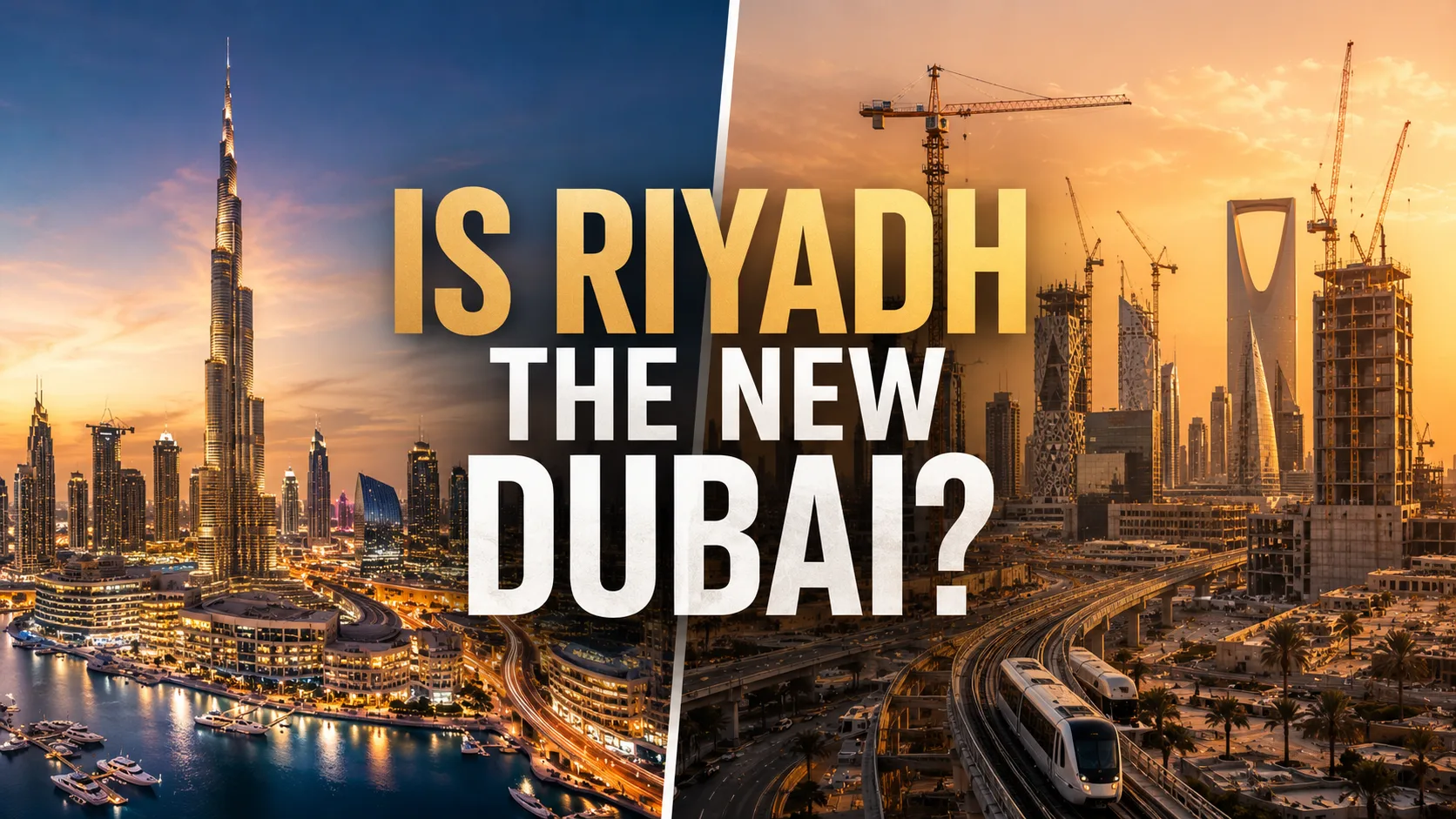
Is Riyadh becoming the new center of construction growth in the Middle East?
With billions being invested through Saudi Arabia's Vision 2030 initiative, the Kingdom is rapidly transforming its cities, infrastructure, and construction sector.
And for professionals considering careers in the Gulf, this shift is becoming impossible to ignore.
2. Why Riyadh Is Suddenly Everywhere in Construction News
A few years ago, most international construction discussions focused on Dubai.
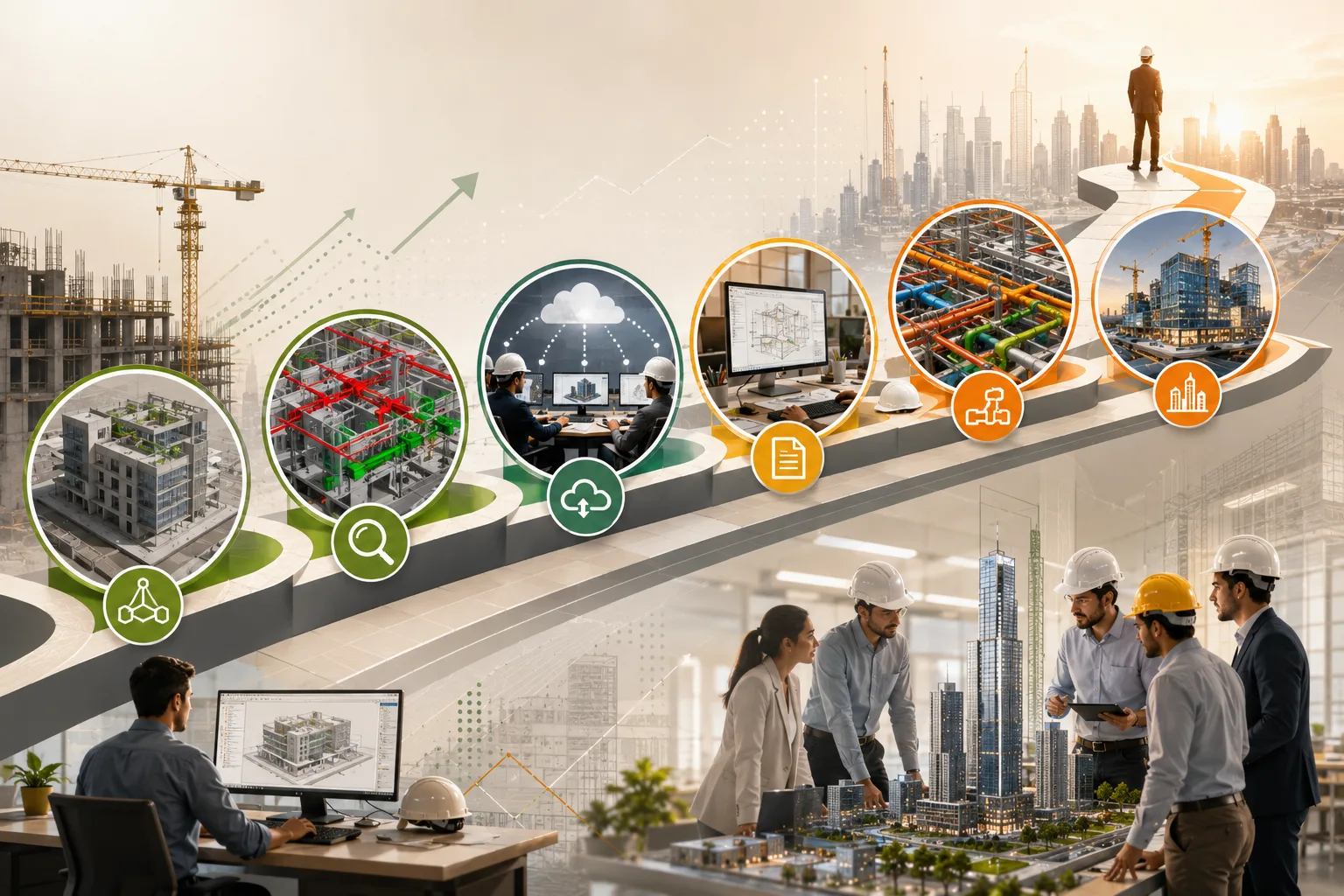
Today, many headlines are dominated by Saudi Arabia.
The reason is simple:
Saudi Arabia is currently one of the largest construction markets in the world.
Driven by Vision 2030, the country is investing heavily in:
- Mega cities
- Tourism infrastructure
- Transportation networks
- Smart developments
- Commercial districts
- Entertainment destinations
These projects are creating demand across architecture, engineering, construction, project management, and BIM.
3. Vision 2030: More Than Just a Development Plan
Vision 2030 is Saudi Arabia's long-term strategy to diversify its economy beyond oil.
Construction plays a major role in achieving that vision.
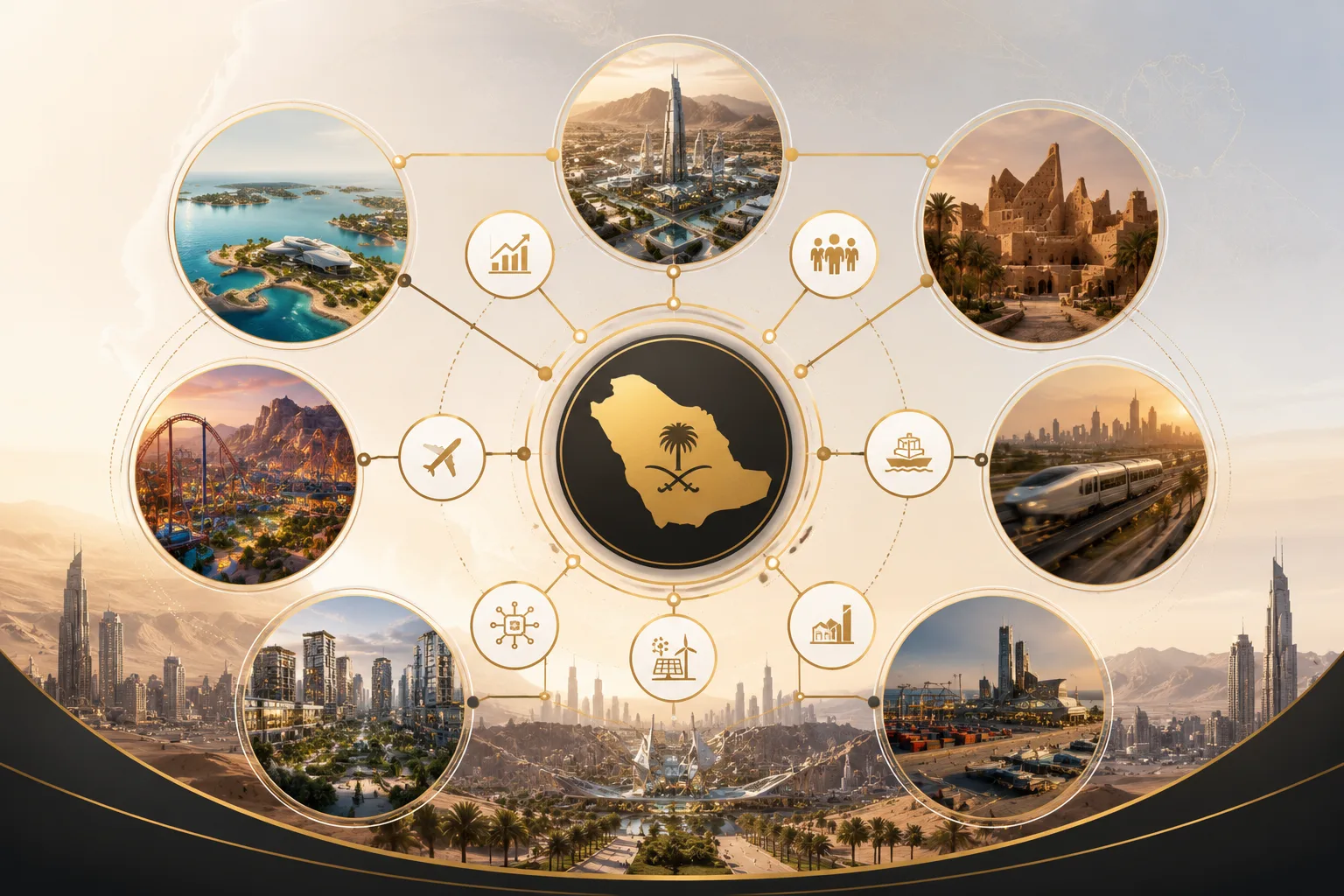
Some of the most talked-about projects include:
NEOM
A futuristic region designed to become a global hub for innovation, technology, and sustainable development.
The Red Sea Project
A large-scale tourism and hospitality development along Saudi Arabia's western coast.
Diriyah Gate
A cultural and heritage destination being developed near Riyadh.
Qiddiya
A massive entertainment, sports, and lifestyle city currently under development.
Together, these projects represent hundreds of billions of dollars in investment.
4. Riyadh vs Dubai: What's Actually Different?
Both cities offer opportunities—but the nature of growth is different.
Dubai
Dubai is a mature construction market.
Opportunities continue to exist in:
- Commercial developments
- Hospitality projects
- Infrastructure upgrades
- Facility management
- High-rise construction
The city has a well-established ecosystem and remains attractive to international professionals.
Riyadh
Riyadh is experiencing a major expansion phase.
Many projects are still being planned, designed, coordinated, and constructed.
This creates opportunities in:
- BIM implementation
- Design coordination
- Infrastructure development
- Project execution
- Digital construction workflows
In simple terms:
Dubai focuses heavily on sustaining growth.
Riyadh is still building its future.
Where BIM Fits Into This Transformation
Large-scale projects cannot function efficiently without digital coordination.
This is one reason BIM adoption continues growing across Saudi Arabia.
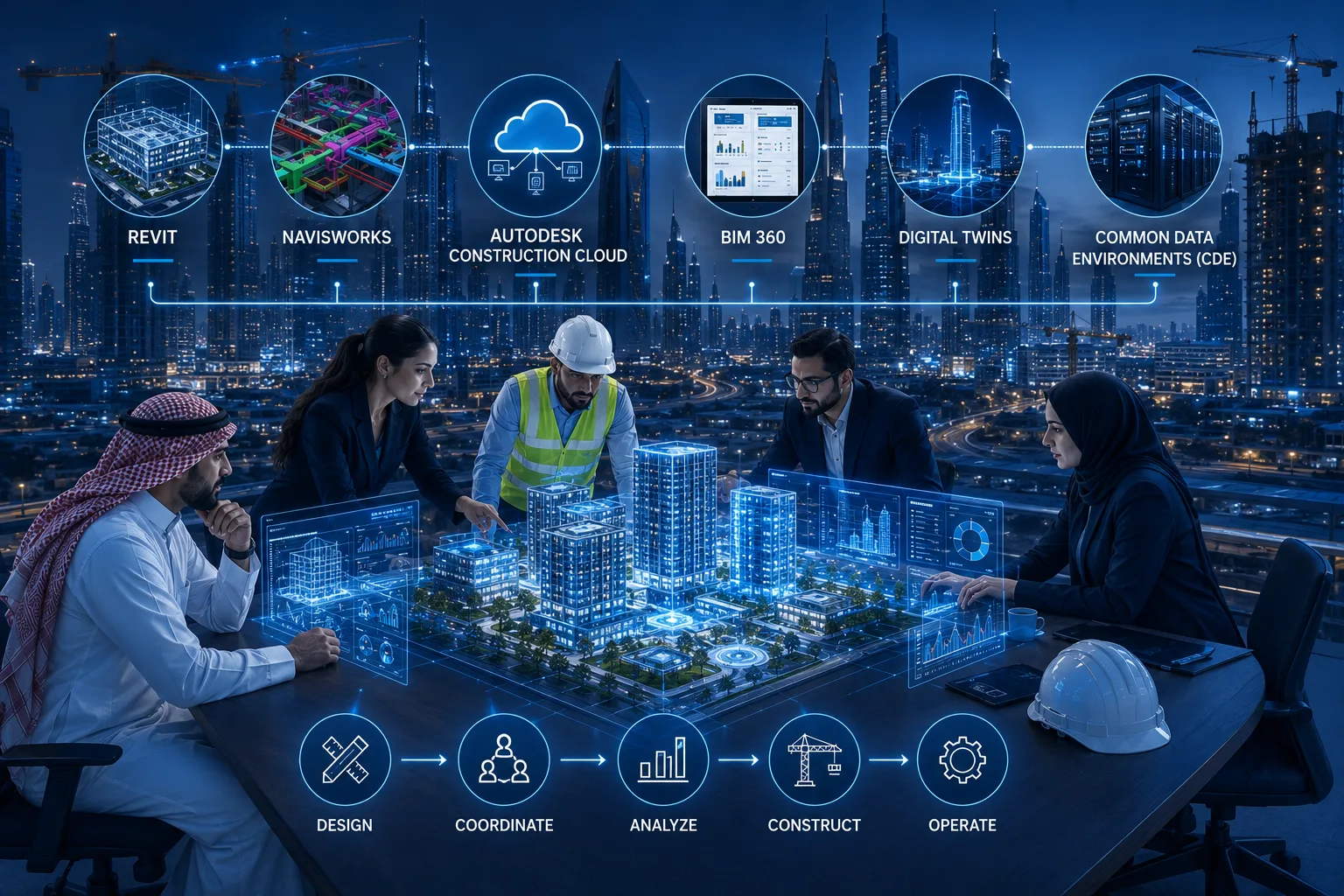
Major projects increasingly rely on:
- Revit
- Navisworks
- Autodesk Construction Cloud
- BIM 360
- Digital Twins
- Common Data Environments (CDE)
The scale of coordination required for modern Saudi projects makes BIM a necessity rather than a luxury.
5. What Companies Are Hiring For
One misconception is that Gulf companies only look for BIM modelers.
The reality is changing.
Many employers now seek professionals who understand:
- BIM Coordination
- Navisworks Clash Detection
- MEP BIM
- Documentation workflows
- ACC and cloud collaboration
- ISO 19650 standards
The demand is gradually shifting from software operators to workflow-oriented professionals.
6. Salary Expectations: Riyadh vs Dubai
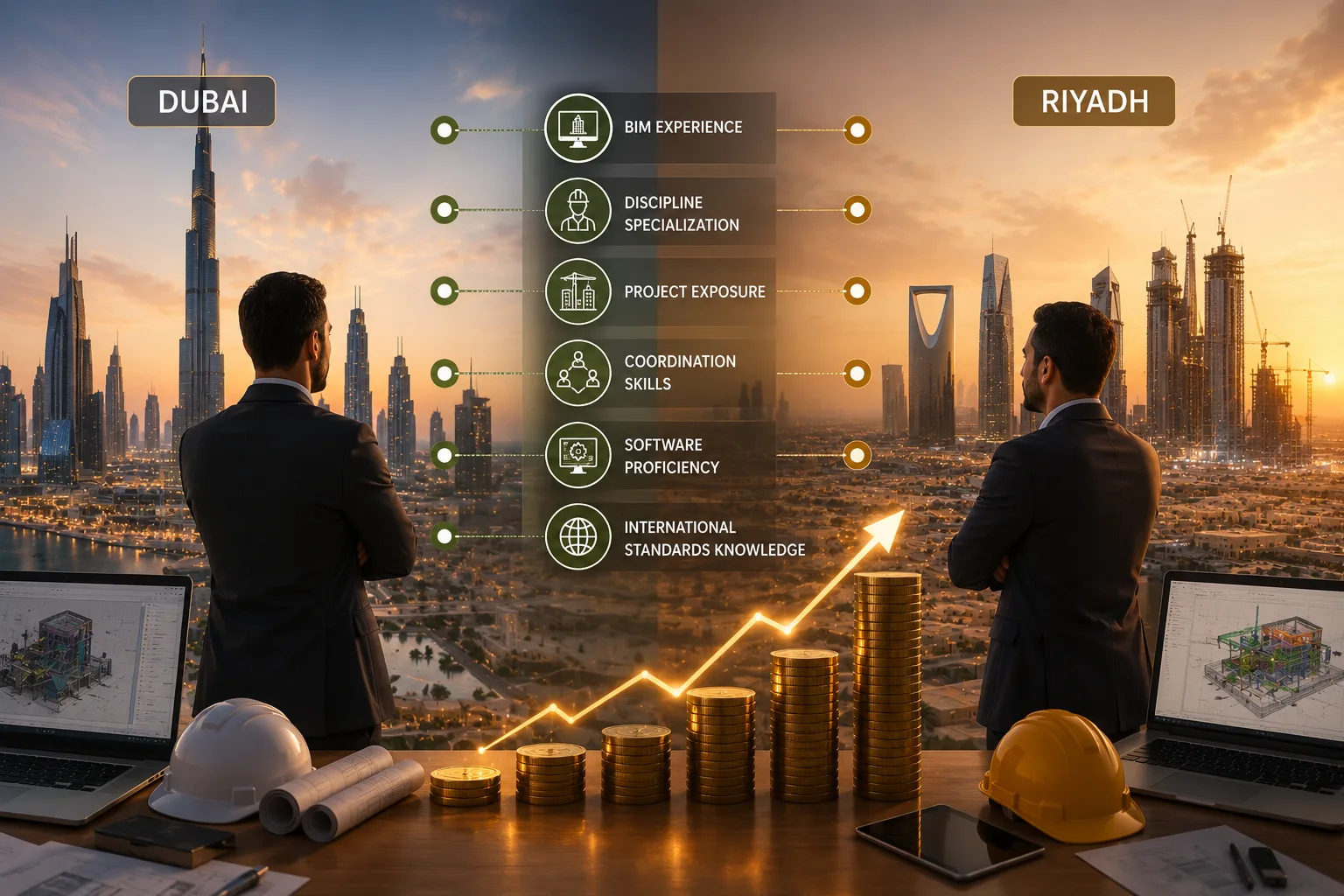
While salaries vary significantly by company, project type, and experience, Riyadh is increasingly becoming competitive with Dubai.
Factors influencing salary include:
- BIM experience
- Discipline specialization
- Project exposure
- Coordination skills
- Software proficiency
- International standards knowledge
Professionals with coordination and BIM execution experience often find stronger opportunities than those focused only on modeling.
7. Is Saudi Arabia Replacing Dubai?
Not exactly.
Dubai remains one of the most influential construction hubs in the region.
However, Saudi Arabia is creating a new scale of opportunity that simply didn't exist a decade ago.
Rather than replacing Dubai, Riyadh is becoming another major center for construction growth.
For professionals, this is good news.
It means more projects, more investment, and more career opportunities across the Gulf region.
8. What This Means for BIM Students and Engineers
If you're planning a BIM career, the bigger lesson isn't choosing between Riyadh and Dubai.
It's understanding what these markets increasingly demand:
The professionals who combine technical skills with workflow understanding are likely to benefit most from the next phase of Middle East construction growth.
At BIM Cafe Learning Hub, many students aim to build careers across the UAE, Saudi Arabia, Qatar, and other Gulf countries.
One trend is becoming increasingly clear:
Companies are placing greater emphasis on professionals who understand real project workflows—not just software commands.
As BIM adoption expands across Vision 2030 projects and regional infrastructure developments, coordination, collaboration, and digital construction skills continue to grow in importance.
You can explore related industry insights through our blogs on:
- MEP Coordination in BIM
- Complete BIM Workflow Explained
- Future BIM Trends in 2026
- Middle East Construction Industry Outlook
Final Thoughts
The rise of Riyadh isn't simply a construction story.
It's part of a broader transformation taking place across Saudi Arabia.
With Vision 2030 driving unprecedented investment, the Kingdom is creating opportunities that are reshaping the Middle East construction landscape.
Dubai remains a global construction leader.
But Riyadh is rapidly becoming one of the most exciting destinations for engineers, BIM professionals, architects, and construction specialists looking toward the future.
And for those preparing today, the next decade could offer some of the biggest opportunities the region has ever seen.
Professional BIM Course
Master BIM Course
Structural Design Concepts and BIM
Certified MEPF BIM Master Course
Electrical BIM Professional Program
RenderLab – Master 3D Modeling & Photorealistic Rendering
Multi-Tool Mastery for Architects & Engineers
BIM Coordinator Workflow Program
BIM FastTrack – 30 Day Intensive Training
Global Architectural & Structural BIM Project Program