Author: Devika R
February 23, 2026
6 min read
Adopting BIM in a Small Sized Architecture Firms environment may sound overwhelming at first. Many smaller practices assume digital workflows require enterprise budgets, large IT departments, or complicated systems.
In reality, implementation can be phased, controlled, and highly practical.
With the right roadmap, small and medium studios can improve coordination, reduce documentation errors, strengthen collaboration with consultants, and compete for projects that increasingly demand digital delivery.
This guide explains how to move from traditional CAD methods toward a sustainable BIM workflow without disrupting your business.
Why BIM Matters for Small Architecture Practices

Building Information Modeling is no longer reserved for large organizations.
Even compact teams gain immediate advantages:
- clearer visualization for clients
- faster production of drawings
- improved design consistency
- reduced clashes
- easier quantity insights
- stronger credibility during bidding
Governments, developers, and contractors are steadily expecting structured digital information. Firms without BIM capability risk being excluded from opportunities.
Understanding BIM in a Small Sized Architecture Firms
Implementation in SMEs differs from corporate rollouts.
Smaller firms typically operate with:
- lean teams
- limited hardware budgets
- tight project deadlines
- people performing multiple roles
- faster internal decision making
Because of this, success depends on simplicity, prioritization, and gradual scaling.
The goal is not perfection on day one.
The goal is controlled progress.
Common Barriers to BIM Adoption
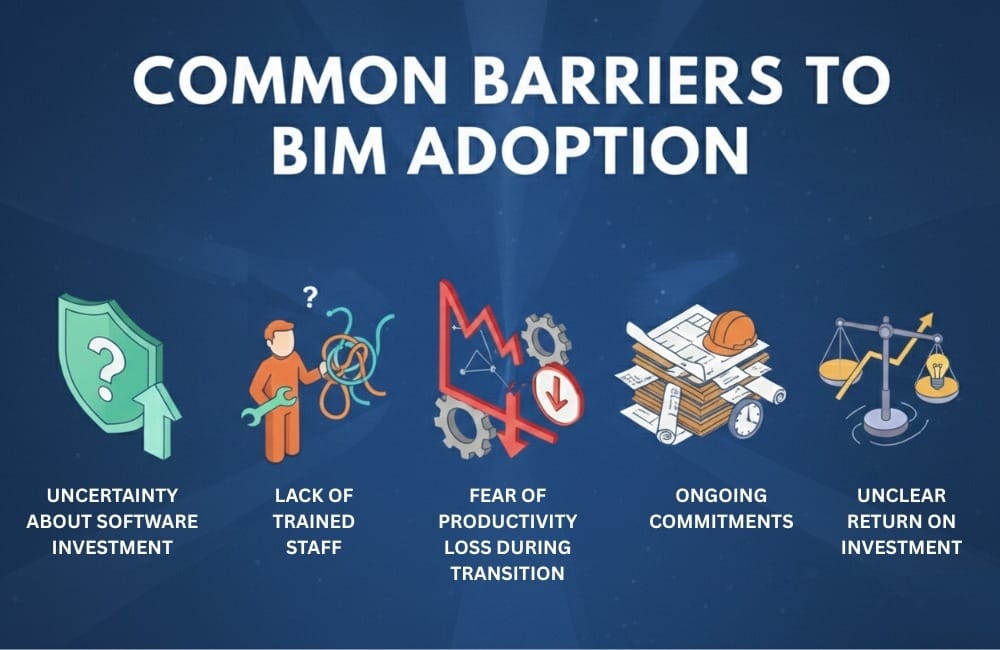
Most hesitation comes from familiar concerns.
For many firms, challenges include:
- uncertainty about software investment
- lack of trained staff
- fear of productivity loss during transition
- ongoing project commitments
- unclear return on investment
When these are addressed through planning, adoption becomes far less risky.
Step 1 – Assess Your Current Capability
Before purchasing tools, understand your baseline.
Review:
- team digital skills
- current software usage
- workstation performance
- type and scale of projects
- consultant collaboration needs
This helps determine what level of BIM maturity is realistic in the first year.
Step 2 – Define Clear Implementation Goals
Without defined outcomes, BIM becomes just another application.
Goals for BIM in a Small Sized Architecture Firms often focus on:
- reducing drafting time
- minimizing errors
- improving presentations
- enabling coordination
- expanding service offerings
Attach numbers wherever possible.
For example: reduce revisions by 20% or shorten documentation cycles.
Step 3 – Choose the Right BIM Software
Complexity is the enemy of early success.
When evaluating platforms, prioritize:
- intuitive interface
- strong learning resources
- compatibility with partners
- manageable licensing models
- local industry acceptance
Avoid tools designed primarily for mega infrastructure if your work is residential or small commercial.
Step 4 – Develop Internal BIM Standards
Even a five-person office needs consistency.
Standards should define:
- folder and file naming
- template usage
- model organization
- level of detail expectations
- plotting and export methods
Clear rules prevent confusion as more projects move into digital workflows.
Step 5 – Start with a Pilot Project
Testing reduces financial and operational stress.
A good pilot project:
- has moderate complexity
- allows extra learning time
- includes cooperative stakeholders
- provides measurable outcomes
Treat it as your internal laboratory.
Document everything that works — and what does not.
Step 6 – Train Your Team Strategically
Training must match real project conditions.
High-impact learning includes:
- discipline-specific workflows
- modeling best practices
- documentation automation
- coordination exercises
- live troubleshooting
Short, continuous sessions are more effective than one long seminar.
Building a Sustainable BIM Workflow
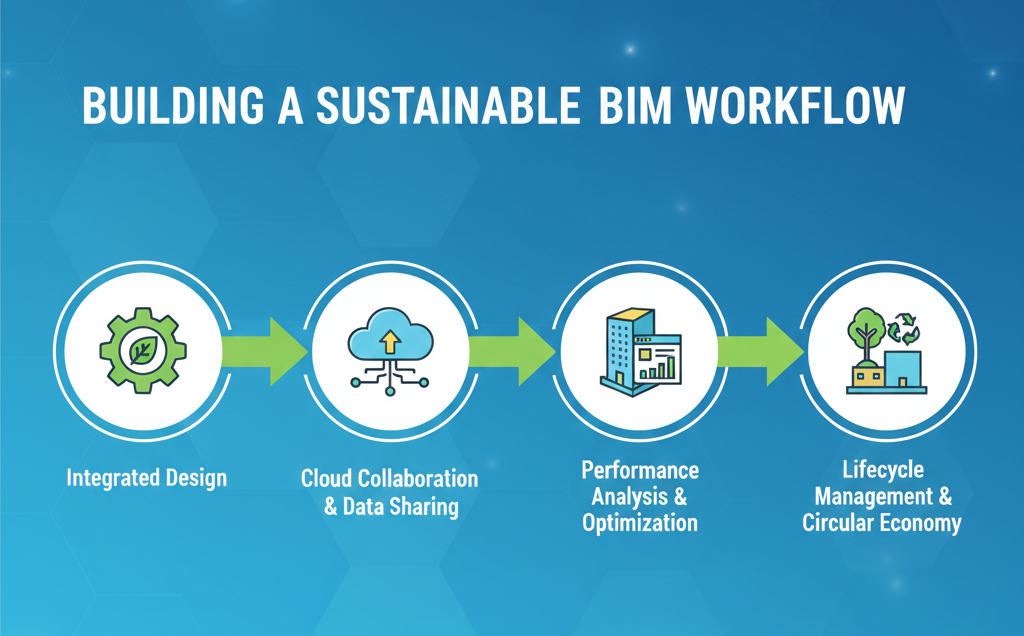
After initial excitement, stability becomes essential.
Long-term success requires:
- process documentation
- version control habits
- periodic reviews
- leadership monitoring
- productivity measurement
A structured system protects your investment.
Technology Infrastructure Requirements

Performance problems quickly destroy motivation.
Upgrades commonly required for BIM in a Small Sized Architecture Firms setups include:
- high-speed processors
- adequate RAM
- graphic capability
- secure storage
- reliable internet
You do not need enterprise data centers, but you do need dependable hardware.
Cost Considerations and ROI

Leaders want proof.
Financial benefits usually appear through:
- fewer site conflicts
- reduced redesign
- faster approvals
- improved manpower efficiency
- higher client satisfaction
When tracked across several projects, savings become clear.
Role Transformation Inside Small Firms
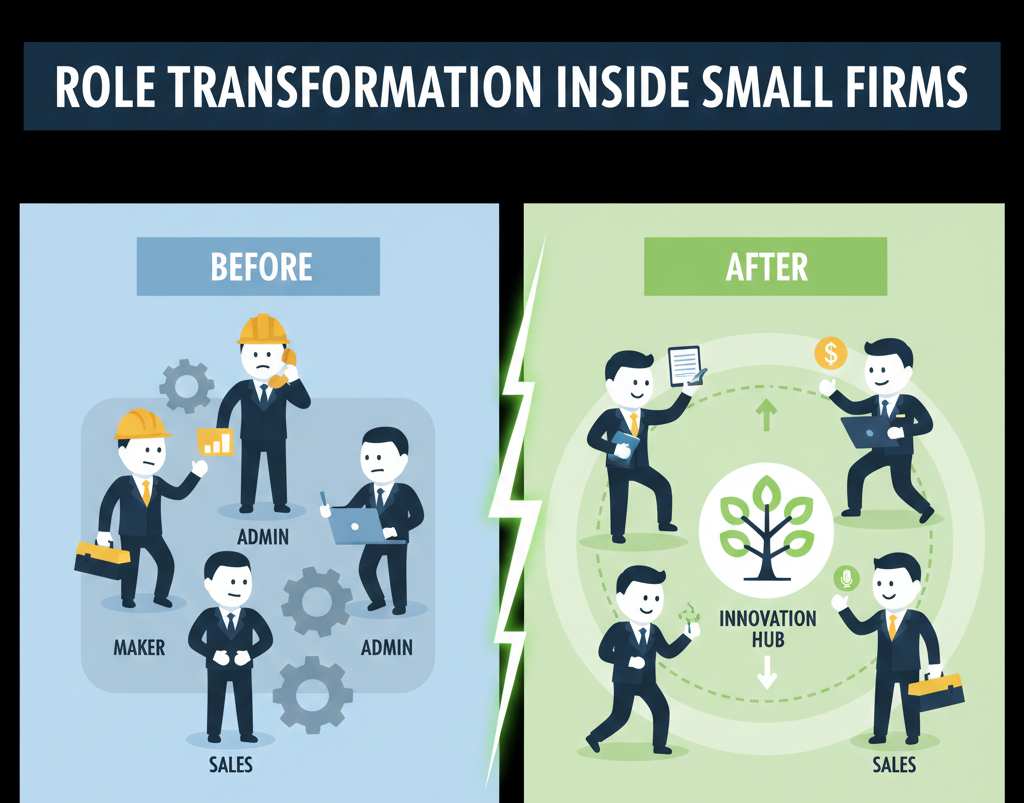
BIM introduces accountability.
Responsibilities may evolve into:
- model coordination
- content management
- data validation
- standards enforcement
In small practices, one person might cover multiple areas, but clarity improves performance.
Collaboration with External Consultants
Digital coordination only works with agreement.
Teams must define:
- file exchange formats
- coordinate systems
- update schedules
- issue tracking methods
- approval workflows
This alignment significantly reduces disputes.
Maintaining Quality and Compliance
Structured information improves reliability.
A mature BIM process supports:
- traceable revisions
- documented approvals
- consistent outputs
- audit readiness
- stronger client trust
Quality control becomes easier than in fragmented CAD environments.
Scaling BIM as the Firm Grows
Once fundamentals stabilize, expansion becomes possible.
Growth areas may include:
- advanced visualization
- performance simulations
- quantity extraction
- construction collaboration
- asset data delivery
A small start does not limit future sophistication.
Future Readiness for SME Architecture Firms
Digital expectations are rising every year.
Firms comfortable with BIM are better positioned for:
- government projects
- international partnerships
- integrated project delivery
- lifecycle information demands
Preparation today prevents a crisis tomorrow.
Conclusion
Implementing BIM in a Small Sized Architecture Firms practice is not about matching large corporations. It is about creating a smarter, more coordinated way of working.
Through phased adoption, clear standards, targeted training, and realistic technology planning, small and medium firms can achieve:
- better productivity
- improved design accuracy
- stronger collaboration
- enhanced competitiveness
The journey requires commitment, but it is entirely achievable — and increasingly essential.
Ready to Start Your BIM Implementation Journey?
Transitioning from CAD to BIM becomes easier when your team learns from professionals who understand real project environments. Practical exposure, structured workflows, and implementation guidance can dramatically reduce trial-and-error.
BIM Cafe Learning Hub supports architecture firms and professionals with:
- industry-oriented BIM training
- mentorship from experienced practitioners
- career and organizational upskilling pathways
Whether you are starting fresh or upgrading existing processes, the right training foundation accelerates adoption and builds long-term confidence.
Build capability. Strengthen delivery. Move toward a smarter digital future.